


Dental Implants; Free Consultation + Best Price + Installment Plans
- Last Updated: September 2026
- Approving Physician: Kazem Ehtesham-Manesh
What You Will Read in This Article About Dental Implants
If you have lost a tooth and are now looking for a reliable, natural, and long-lasting way to replace it, a dental implant may be the best option for you. This treatment not only restores the appearance of your smile, but also brings normal dental function back, to the point that you may forget you ever lost a tooth.
In this article, we provide complete and detailed answers to all your questions about dental implants in Mashhad:
From pricing and high-quality implant brands to installment plans, treatment duration, pain, possible complications, other patients’ experiences, real treatment cases, and more.
If you are looking for dental implants with reasonable pricing, high quality, and convenient payment options, we have explained everything you need to know before making a decision in simple language, so you can contact us with confidence and book your free consultation.


Dental Implant Prices and Payment Terms with the Best Brands | 2026
The cost of dental implants in Mashhad in 2026 varies depending on the brand, surgical method, dentist’s experience, and the condition of the patient’s jaw. Some specific brands, such as Swiss or American implants, may have higher prices.
Price Table for Different Dental Implant Brands in Mashhad
| Approximate Price | Type of Service | Implant Brand |
|---|---|---|
| Call Us | First Stage | Korean |
| Call Us | First Stage | German |
| Call Us | Complete | American |
| Call Us | Complete | Call Us |
| Call Us | Complete | Immediate Implant with Crown |
Factors Affecting the Cost of Dental Implants
The final cost of a dental implant does not depend only on the brand. Factors such as additional treatments (bone grafting or sinus lift), the type of crown, the dentist’s experience, the number of implant units, and the condition of the jaw also play an important role in determining the overall cost.
Cost of Dental Implants with General Anesthesia or Sedation
In some cases, general anesthesia or sedation may be used to reduce the patient’s stress. This is usually recommended for extensive surgeries or highly anxious patients. The cost of anesthesia is calculated separately and may increase the final treatment cost.
Does Insurance or Supplementary Insurance Cover the Cost?
Most insurance companies consider dental implants to be a cosmetic treatment, so they are generally not covered by basic insurance plans. However, some supplementary insurance policies may reimburse part of the cost, usually up to a specified limit. To use this benefit, you should check with your insurance provider and obtain approval before starting treatment.
Some Recent Dental Implant Cases at Sepehr Salamat Clinic
Amazing Dental Implant Results at Sepehr Salamat; Real Transformations in Our Patients’ Smiles.
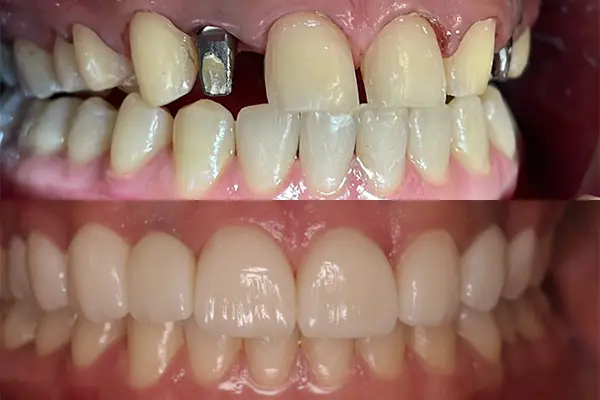
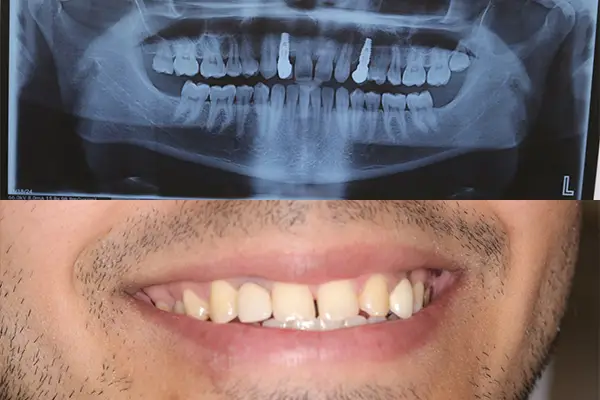
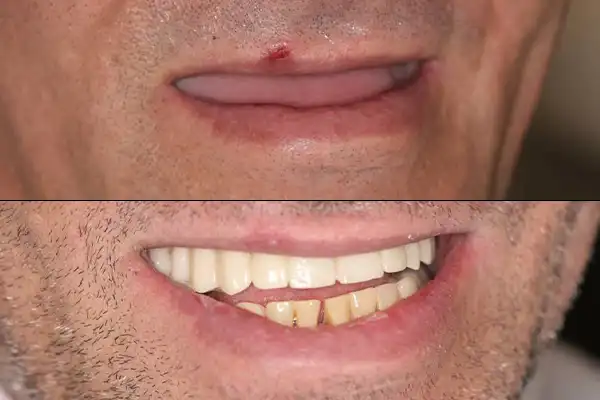
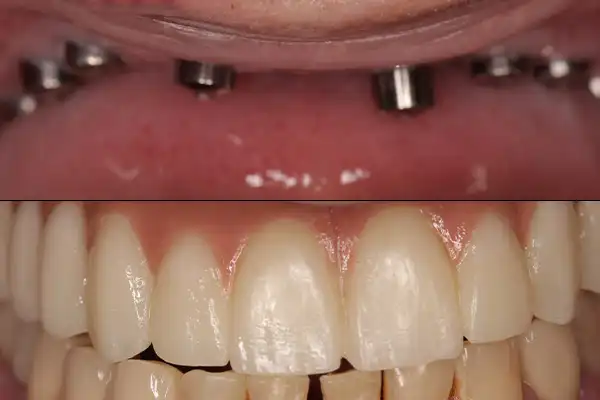
Amazing Dental Implant Results at Sepehr Salamat; Real Transformations in Our Patients’ Smiles.
The Best and Most Experienced Dentist in Mashhad
Dr. Kazem Ehtesham-Manesh, Cosmetic Dentistry Specialist in Mashhad
Dr. Kazem Ehtesham-Manesh, one of the leading dentists in Mashhad, has more than two decades of experience in dental implants, ceramic veneers, teeth whitening, dental composites, and orthodontics, providing professional and specialized services to patients.
After graduating as a top student, he participated in various international courses and obtained globally recognized certifications in dental implants and prosthetic surgery, invisible orthodontics, digital smile design, and cosmetic dentistry.
If you are looking for dental implants in Mashhad using high-quality materials with long-lasting results, or if you are considering ceramic veneers or dental composites in Mashhad, Dr. Ehtesham-Manesh uses the latest technologies to achieve the best possible results for you.
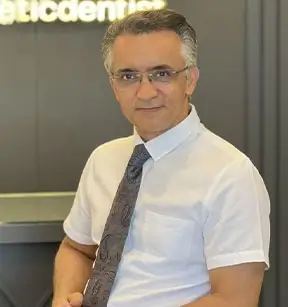
- Sepehr Salamat Dental Clinic Professional Team
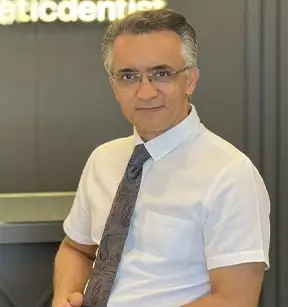
Dr. Ehtesham Manesh
Cosmetic Dentist and Implantologist

Dr. Nima Barati
Oral and Maxillofacial Surgeon
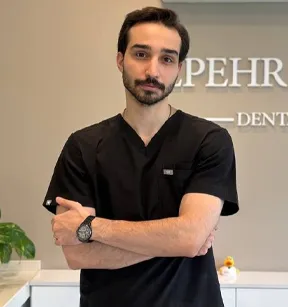
Dr. Poya Saeedi
dentist
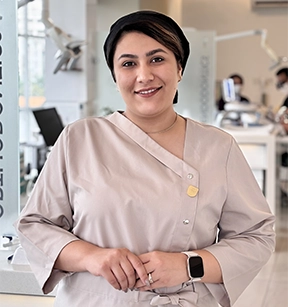
Dr. Marzieh Esmaeilzadeh
dentist

Dr. Samaneh Nakhai
Orthodontics and maxillofacial deformity specialist

Dr. Ali Shamsuddin Ahmadi
dentist
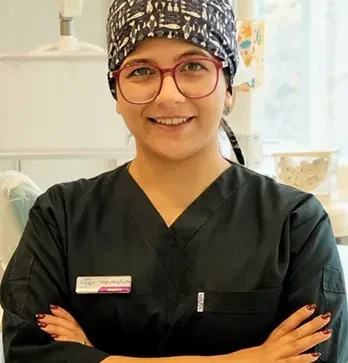
Dr. Negin Watanparast
dentist
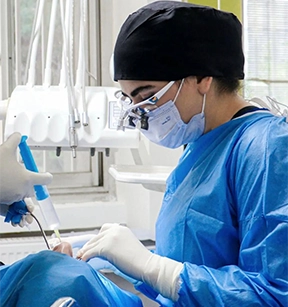
Dr. Zahra Zanouzi
Gum and implant surgeon
Stages of Dental Implant Treatment
The dental implant process includes several specialized stages that are usually completed over several months:
1. Initial examination and consultation, including imaging and evaluation of the jawbone and gums
2. Surgical placement of the titanium implant into the jawbone
3. Healing and osseointegration period, usually lasting 3 to 6 months
4. Placement of the abutment and taking impressions for the dental crown
5. Final placement of the permanent crown and adjustment of its height and shade
Difference Between One-Stage and Two-Stage Implant Placement
In the two-stage method, the implant is first placed in the jawbone. After several months, once the implant has integrated with the bone, a second surgery is performed to place the abutment. In the one-stage method, the abutment is placed at the same time as the implant, so only one surgical procedure is required. This method is faster, but it is not recommended for every patient.
What Is an Immediate Dental Implant and Who Is It Suitable For?
With an immediate dental implant, the titanium implant is placed immediately after tooth extraction during the same appointment, and in some cases, a temporary crown may also be placed on the same day.
This method is suitable for patients who have good bone density, do not use tobacco products, and do not have active gum infections.
When Is Bone Grafting Needed?
If the jawbone does not have sufficient volume or density for implant placement, the surgeon first performs a bone graft. This procedure is usually carried out using bone graft material or natural bone and is typically done about 3 to 6 months before implant placement.
Pre- and Post-Implant Care
Is Dental Implant Surgery Painful?
Dental implant placement is usually performed under local anesthesia, so the patient does not feel pain during the procedure. After the anesthesia wears off, some people may experience temporary discomfort, mild pain, swelling, or bruising in the treated area, which usually decreases within a few days. The level of discomfort after implant surgery depends on the individual’s condition, the type of surgery, and the number of implants placed. The dentist may prescribe appropriate medication to help manage these symptoms. If you experience severe pain, increasing swelling, or any unusual symptoms, you should contact your dentist.
How Long Should Antibiotics Be Taken?
The duration of antibiotic use after dental implant surgery is not the same for everyone and depends on factors such as the patient’s health condition, the type of surgery, the complexity of the treatment, and the dentist’s assessment. In some cases, the dentist may prescribe antibiotics to reduce the risk of infection. These medications should be taken exactly as prescribed and for the full recommended course. Avoid taking antibiotics without medical advice or stopping them without consulting your dentist. If you have a history of medication allergies or underlying medical conditions, make sure to inform your dentist before treatment.
What Should Be Avoided After Dental Implant Surgery?
To help prevent infection or loosening of the implant, the following precautions are important during the first few days:
- Avoid hard, spicy, or very hot foods
- Brush carefully and use an antiseptic mouthwash
- Avoid smoking and other tobacco products for at least one week
- Avoid strenuous exercise, running, and excessive bending for 48 hours
- Do not touch or manipulate the stitches or surgical area with your tongue or fingers
When Are the Stitches Removed?
In most cases, absorbable sutures are used and dissolve within 5 to 10 days. If non-absorbable sutures are used, you should return to the clinic about one week after surgery to have them removed. In either case, regular follow-up visits according to the recommended schedule are important.
Signs of Infection and Essential Care
Warning signs of infection after dental implant surgery may include fever, severe swelling, bad breath, pus, throbbing pain, and prolonged bleeding. If you notice any of these symptoms, contact your dentist immediately.
For prevention:
- Rinse your mouth with salt water or an antibacterial mouthwash
- Take prescribed medications exactly as directed
- Maintain careful oral hygiene until the area has fully healed
Side Effects and Disadvantages of Dental Implants
Like any other surgical procedure, dental implant placement may be accompanied by temporary side effects such as:
- Mild to moderate pain
- Swelling and bruising around the lips and face
- Mild bleeding during the first 24 hours
- A feeling of tightness or heaviness in the surgical area
These side effects usually improve within 3 to 7 days and can be managed with pain medication and proper care.
Reasons for Dental Implant Failure and Ways to Prevent It
In rare cases, the body may not accept the implant, or the bone may fail to integrate properly with the implant. This can happen for several reasons:
- Infection after surgery
- Smoking and tobacco use
- Conditions such as uncontrolled diabetes
- Excessive pressure on the implant
- Use of low-quality implant brands or improper placement
To reduce the risk of these problems, follow your dentist’s recommendations, take post-surgical care seriously, and have the implant placed by an experienced specialist.
Can Dental Implants Cause Bad Breath or Cancer?
No. With proper oral hygiene, dental implants do not cause bad breath. In fact, replacing a missing tooth can help improve oral function and overall oral health. There is also currently no reliable scientific evidence showing a link between dental implants and cancer. Materials used in dental implants, such as titanium, are biocompatible and considered safe.
Best Dental Implant Dentist and Implant Brands in Mashhad
Choosing the right dentist is the most important factor in the success of dental implant treatment. A professional dentist should have the following qualities:
- Extensive experience and a strong background in implant surgery
- Use of advanced technologies such as digital implant techniques
- Providing treatment samples and feedback from previous patients
- Honesty in consultation and transparent pricing
- Offering installment payment options to reduce financial pressure
In Mashhad, Dr. Kazem Ehtesham-Manesh is known as one of the experienced specialists in this field and practices at Sepehr Salamat Clinic.
Well-Known Dental Implant Brands
The implant brand directly affects durability, appearance, and the integration of the implant with the bone. Some reputable brands used in clinics in Mashhad include:
- Korean Implants: Reasonable price, moderate quality, acceptable durability
- German Implants: Good balance between quality and cost
- Swiss Implants: Very high quality, long-lasting durability, higher price
- American Implants: Premium brands with advanced technologies
The appropriate implant brand is selected based on the patient’s budget, clinical needs, and the dentist’s assessment.
Why Should You Be Careful When Choosing the Brand and Clinic?
Dental implants are a long-term treatment. Choosing a low-quality brand or having the procedure performed by an inexperienced practitioner may lead to treatment failure, infection-related complications, additional costs, or even jawbone loss. Always choose a reputable and licensed clinic with a specialized team and approved implant brands so you can enjoy your new teeth with greater confidence for many years.
Dental Implants in Special Conditions
Dental Implants for Patients with Diabetes or Heart Conditions
People with well-controlled diabetes can usually receive dental implants without problems, provided that their blood sugar levels are within the normal range and they carefully follow post-surgical care instructions. Patients with heart conditions may also undergo dental implant surgery if approved by their specialist and if their anticoagulant medications are properly managed.
Dental Implants During Pregnancy
Dental surgery is generally not recommended during pregnancy, especially in the first and third trimesters. If treatment is necessary, it may be performed during the second trimester in coordination with the obstetrician. It is generally better to postpone dental implant treatment until after childbirth.
Dental Implants for Smokers
Smoking is one of the major factors that can contribute to dental implant failure. Nicotine reduces adequate blood flow to the gums and may interfere with the integration of the titanium implant with the bone. Continued smoking can increase the risk of infection and implant failure. If you are planning to receive a dental implant, you should stop smoking at least two weeks before surgery and continue avoiding it for up to one month afterward.
Dental Implants for Teenagers and Older Adults
For teenagers, dental implants can be placed once jaw growth is complete, usually after the age of 18. For older adults, there is generally no age restriction as long as overall health and bone density are sufficient. Even people over the age of 70 may successfully receive dental implants.
Dental Implants for Tooth Number 7 or 8
Back teeth, such as tooth number 7, play an important role in chewing. Their absence may place excessive pressure on the front teeth and affect jaw function. Implants for posterior teeth can be more challenging because surgical access is more limited, but in well-equipped clinics such as Sepehr Salamat, the procedure can be performed with high precision.
- Get a Free Consultation and Book an Appointment
To receive a free consultation and book an appointment, enter your information so we can contact you as soon as possible.
- Introduction to Sepehr Salamat Dental Clinic
At Sepehr Salamat Dental Clinic, we use the latest technologies and a specialized team to provide you with high-quality dental services with precision and care. From the beauty of your smile to the health of your teeth, your well-being is our priority. Your trust is our greatest asset.

Over 25 Years of Experience

Over 60K Satisfied Patients

Over 30 Professional Staff Members
Dental Implant Frequently Asked Questions
No. This procedure is performed under local anesthesia, so you will not feel pain during the surgery. After the procedure, you may experience some pain and swelling, which can usually be managed with prescribed medications.
The healing time depends on the patient’s condition, but it usually takes between 3 and 6 months for the implant to fully integrate with the jawbone. During this period, following the dentist’s recommendations can help improve the success of the treatment.
Most people are suitable candidates for dental implants. However, individuals with insufficient jawbone density or certain conditions, such as uncontrolled diabetes, may require further evaluation. If necessary, a bone graft may be performed before implant placement.
Yes. Dental implants are very similar to natural teeth in both appearance and function. By using high-quality materials and precise design, the color and shape of the implant-supported tooth can be matched with the surrounding natural teeth.
The cost of dental implants depends on factors such as the type of implant, brand, dentist’s expertise, the need for additional procedures such as bone grafting, and the type of anesthesia used. For consultation and an accurate price estimate, you can contact the clinic.
It is recommended to avoid hard foods for a few days, keep the surgical area clean, and take medications as prescribed by your dentist. Regular dental checkups are also essential to monitor the condition of the implant.
Traditional or digital implants? Which is more suitable
Digital implants use three-dimensional imaging (CBCT), computer-aided design (CAD/CAM), and surgical guides to provide greater precision than traditional implants. In the digital method, the dentist places the implant in the optimal position without extensive gum incisions and with minimal bleeding. In contrast, the traditional method is still widely used and may be the primary choice in certain situations, such as bone grafting or sinus lift procedures.
Is Laser Dental Implant Treatment Real?
Some advertisements use the term “laser dental implant,” but the reality is that lasers are only used during the gum incision stage as an alternative to a surgical blade and are not directly related to the implant placement process itself. Therefore, patients should not be misled by commercial terms such as “painless laser implants.” In reputable centers, lasers are used solely to improve precision and reduce bleeding.
Implant-Supported Prosthesis; A Method for Reducing Dental Implant Costs in Mashhad
One way to reduce the cost of dental implants in Mashhad is to use an implant-supported prosthesis. This method is considered an affordable and practical option. Instead of placing a separate implant for every missing tooth, one main implant is placed as a support, and a dental prosthesis, such as a bridge or denture, is placed on it. This prosthesis can cover several teeth and replace multiple missing teeth. The advantages of this method include reduced costs, shorter treatment time, and greater patient comfort. Instead of paying for several separate implants, the patient only pays for one main implant and does not require multiple surgical procedures.
This method may also be suitable for patients who do not have enough space for several individual implants. In such cases, an implant-supported prosthesis can effectively replace several missing teeth. In addition, this method generally costs less than using separate implants because it reduces surgical expenses, the amount of materials used, and treatment time. Implant-supported prostheses may also improve patient comfort because fewer surgeries are required and recovery time is shorter. The dental prosthesis placed on the implant can also be repaired or replaced relatively easily.
Laser Dental Implants in Mashhad: From Rumor to Reality!
In recent years, the use of lasers for dental implant treatment has become increasingly popular among people in Mashhad. Compared with traditional implant methods, this treatment offers several advantages that have contributed to its popularity. Laser-assisted dental implant procedures may provide greater precision and less damage to surrounding tissues, resulting in a faster treatment process and less discomfort for patients. This method may also make it possible to perform implant procedures without stitches and, in some cases, without the need for general anesthesia.
However, there are still many rumors and inaccurate claims about this treatment method. Some people claim that laser implants are unstable or unsuccessful or that their costs are extremely high. However, these claims are not accurate and may simply be used to mislead patients. In reality, laser-assisted dental implant treatment in Mashhad has achieved a high success rate, and its costs are generally within the usual price range of traditional implant treatments. This method is increasingly being used by specialized dentists and has produced satisfactory treatment results for patients.
Therefore, patients who need dental implants in Mashhad should carefully obtain reliable and accurate information and avoid relying on recommendations from non-specialists. Consulting implant dentists in Mashhad who are familiar with the latest implant techniques can help each patient choose the most appropriate treatment method.
Best Time for Dental Implant Placement
Choosing the right time for dental implant placement is one of the most important issues to consider. The timing of implant placement can significantly affect treatment success and long-term results. Usually, the best time for dental implant placement is after treatment of damaged or missing teeth has been completed. This allows the jawbone to become sufficiently mature and strong, increasing the likelihood of successful implant treatment.
When a tooth has recently been extracted, it may be preferable to wait several months for the jaw to return to its natural condition so the implant can be placed under optimal conditions. In some cases, an implant can be placed at the same time as tooth extraction. This approach, particularly when the missing tooth is located in the anterior region, may offer benefits such as reduced treatment time and improved aesthetics. However, this approach depends on the patient’s specific condition and a careful evaluation by the dentist. If the patient has experienced jawbone loss, additional procedures such as bone grafting may be required before implant placement. This helps strengthen the bone tissue and may increase the likelihood of implant success.
Suitable Age for Dental Implant Placement in Mashhad
Several factors should be considered when determining the appropriate age for dental implant placement in Mashhad. Dental implants can be placed at various stages of adulthood, but the best results are generally achieved in individuals with healthy and mature jawbones. During childhood and adolescence, the jawbone is still growing and developing, so implant placement is usually not recommended. Implants placed during these stages may become displaced or fail to align properly with the natural teeth as the jaw continues to develop.
Therefore, it is generally better to wait until jaw and dental development is complete. Many specialists in Mashhad recommend dental implant placement between the ages of 20 and 70. Within this age range, the jawbone is generally in favorable condition, and the likelihood of successful implant treatment may be higher. Older individuals may require additional preparation because of reduced bone density or systemic medical conditions. In any case, determining the appropriate age for dental implant placement in Mashhad requires a thorough evaluation of the patient’s general and oral health by an experienced implant dentist.
How Long Does Dental Implant Treatment Take in Mashhad?
The duration of dental implant treatment in Mashhad varies depending on several important factors. The entire process may take anywhere from several weeks to several months, depending on factors such as the condition of the patient’s jaw and teeth, the number of implants required, and the experience and skill of the dentist. In a typical dental implant process, the first stage involves preparing the implant site, which usually takes around 2 to 4 weeks. During this stage, the dentist evaluates the jawbone and, if necessary, performs procedures to strengthen and prepare it.
This stage is very important and should be completed carefully to increase the likelihood of successful implant placement. After the site has been prepared, implant placement is performed, which usually takes about 1 to 2 hours. This procedure is generally performed on an outpatient basis under local anesthesia. If several implants are required, the procedure may take longer.
After implant placement, a period of approximately 3 to 6 months is usually required for the implant to integrate with the jawbone. This is known as the healing period, and during this time, the patient should avoid placing excessive pressure on the implant area. Finally, after the healing period is complete, the dentist prepares and places the dental crown on the implant. This stage usually takes around 2 to 4 weeks. Afterward, the patient can use the implant normally. Considering all stages, the complete dental implant process in Mashhad generally takes around 4 to 12 months, depending on various factors and the implant specialist’s assessment.
How Dental Implants Are Placed at Sepehr Salamat Dental Clinic
At Sepehr Salamat Dental Clinic, the dental implant placement process is carried out through several stages.
First, the dentist carefully examines the mouth and reviews radiographic images to evaluate the condition of the patient’s jawbone. This assessment is important to determine whether the jawbone is suitable for implant placement and also plays a role in determining the cost of dental implants in Mashhad. If the bone is suitable, the implant placement process begins. The next step involves numbing the treatment area and making a small incision in the gum to access the bone. A small opening is then prepared in the jawbone for implant placement.
The implant, which is usually made of titanium, is inserted into the bone and acts as a replacement for the natural tooth root. Today, alongside conventional methods, the use of digital dental implants is also becoming more common. This modern technique uses imaging and three-dimensional design technologies to improve the accuracy of implant placement and reduce treatment time. After the implant is placed in the bone, several months are required for it to integrate with the jawbone. This process is known as osseointegration and allows the implant to become firmly anchored in the bone. During this period, the patient may need a temporary prosthesis.
After osseointegration, the next step is to place the abutment on the implant. The abutment acts as the connection between the implant and the artificial dental crown. Finally, the appropriate dental crown is placed on the abutment. The artificial crown may be made of metal, ceramic, or a combination of these materials. The benefits of dental implants include improved appearance, improved chewing ability, preservation of the jawbone, and prevention of sunken lips and cheeks. With proper oral hygiene and regular dental examinations, implants can remain functional for many years. Sepehr Salamat Dental Clinic provides these services using an experienced and up-to-date team with high-quality treatment and reasonable pricing.
7 Factors That Can Cause Dental Implant Failure
Dental implants in Mashhad are a popular and successful treatment for replacing missing teeth. However, in some cases, implants may fail for various reasons. Below are seven important factors that may contribute to dental implant failure:
Infection
One of the most common causes of implant failure is infection around the implant. This infection may occur due to poor oral hygiene, underlying conditions such as diabetes, or a weakened immune system. Infections around the implant can damage the surrounding bone and ultimately result in implant loss.
Gum Inflammation
Periodontitis or gum inflammation is another important factor that may contribute to implant failure. Inflammation can damage the bone around the implant and eventually lead to implant failure. Maintaining good oral hygiene and treating gum disease promptly can help prevent this problem.
Underlying Medical Conditions
Certain medical conditions, such as diabetes, cancer, and immune disorders, can affect implant treatment and care and may increase the risk of implant failure. Managing these conditions before and during dental implant treatment is essential.
Smoking
Smoking is another important factor associated with implant failure. Nicotine and other substances in cigarette smoke can negatively affect blood flow and may contribute to bone loss and reduced bone density.
Therefore, quitting smoking before and during implant treatment is very important.
Weak Bone
The quality and quantity of the jawbone are among the most important factors affecting the success of dental implant treatment. If the jawbone is not sufficiently strong or dense, the risk of implant failure may increase. In these situations, additional surgical procedures may be required to increase bone volume and density.
Improper Implant Design
In some cases, implant failure may result from improper design or poor compatibility with the patient’s jaw condition. In such situations, the implant may need to be replaced with a more suitable model. Dental implant prices in Mashhad should be reasonable, and patients should not be misled by extremely cheap advertisements.
Trauma and Physical Damage
Like natural teeth, dental implants may be exposed to trauma and physical injury. Such damage can cause implant fracture or failure. Therefore, patients should be careful when chewing and avoid excessively hard or sticky foods.
What Are the Benefits of Dental Implants?
Dental implants in Mashhad are an effective and comprehensive treatment for replacing missing teeth and offer several advantages. One of the main benefits of dental implants is their natural function. The artificial implant root is firmly placed in the jawbone, allowing people to eat and speak naturally, similar to having natural teeth. Dental implants also help prevent jawbone loss. When a tooth is lost, the jawbone in that area begins to deteriorate. A dental implant can help slow or prevent this process and maintain the health of the jawbone.
This is very important for overall oral and dental health. Another benefit of dental implants is improved appearance and greater self-confidence. Dental implants allow people to enjoy an attractive smile and improved confidence. This can be particularly important for older adults or individuals who have lost their teeth. Dental implants are also more comfortable and stable than removable dentures. They remain naturally positioned in the jaw and do not require adhesives or clasps. With proper care and good oral hygiene, they may also last for many years.
Today, dental implants are available to a wider range of people, and their costs are gradually becoming more accessible. This allows more individuals to benefit from this treatment method. Overall, dental implants are a comprehensive and effective solution for replacing missing teeth and can provide many benefits that improve quality of life.
How Long Do Dental Implants Last in Mashhad?
The durability and lifespan of dental implants in Mashhad depend on several factors, but in general, implants can last for a long period of time. Under ideal conditions and with proper care, dental implants in Mashhad may last for 20 years or longer. Studies have shown that with proper oral hygiene and regular examinations, the success rate of dental implants may exceed 95%.
This means that only around 5% of cases may experience problems requiring replacement. Factors that affect the lifespan of dental implants in Mashhad include the patient’s oral health and personal hygiene, underlying conditions such as diabetes, smoking, mechanical damage, and possible infections. People who brush regularly and use dental floss may have a greater likelihood of long-term implant success. In contrast, individuals with poor oral hygiene, underlying conditions such as diabetes, or smoking habits may have a higher risk of implant complications and failure. In such cases, implants may require repair or replacement after 10 to 15 years.
Factors Affecting the Success of Upper Jaw Dental Implants
The success of upper jaw dental implant placement depends on several factors. These factors can generally be divided into patient-related factors and treatment-related factors. Patient-related factors include the patient’s general health, immune system condition, tobacco use, and oral hygiene. People with systemic conditions such as diabetes or cardiovascular disease, as well as individuals who smoke, may have a lower likelihood of successful implant treatment.
Treatment-related factors are also highly important. These include the position and density of the bone at the implant site, the skill and experience of the dental surgeon, proper selection of the implant type and size, and adherence to correct surgical principles. For example, if the amount of available bone in the upper jaw is insufficient or its quality is poor, procedures such as bone grafting or sinus lifting may be required before implant placement. The precision and skill of the implant specialist in Mashhad in performing these procedures also play an important role.
Most Important Factors That Cause Dental Implant Failure
Dental implant failure is one of the most important complications of this treatment and can result in unsuccessful treatment. Several factors may contribute to this problem and can be classified into several main categories. One of the most important causes of implant failure is infection at the implant site. Infection may occur because hygiene principles were not followed during surgery or because the patient does not maintain proper oral hygiene after implant placement. These infections can damage the bone and tissues surrounding the implant and ultimately lead to implant failure.
Another cause is failure of the implant to integrate properly with the bone. This may occur because of poor bone quality, surgical complications, or insufficient healing time for osseointegration. In such cases, the implant may not properly integrate with the bone and may become detached from its position. Certain systemic factors can also contribute to implant failure. For example, conditions such as diabetes or autoimmune diseases that weaken the immune system may increase the risk of implant failure. Smoking and the use of certain medications may also contribute. Another factor is excessive pressure on the implant. This may result from improper prosthetic design or incorrect loading of the implant and may eventually cause implant failure.
What Should We Do If the Implant Screw Falls Out?
If a dental implant screw falls out, you should visit a dentist as soon as possible. This may indicate poor implant-to-bone connection or an infection around the implant that requires immediate evaluation and treatment. In these cases, the dentist should first carefully examine the area and determine why the screw became loose or fell out. If the problem is caused by infection, treatment may be required to eliminate the infection and improve the condition before the screw can be replaced.
If the cause is weak bone or poor implant integration, the implant may need to be corrected or reinforced. In any case, an experienced dental implant specialist should examine and repair the implant as soon as possible to prevent the condition from worsening or causing complete implant loss. Proper patient cooperation with oral hygiene and regular examinations by an experienced implant specialist in Mashhad also plays a very important role.
Most Important Signs of a Loose Dental Implant Screw
A loose dental implant screw is a common problem among people who have dental implants. This condition may cause several clinical problems and considerable discomfort for the patient. The most important signs of a loose dental implant screw include a feeling of looseness or movement in the implant, pain or discomfort around the implant, swelling and redness around the implant, and difficulty chewing or using the implant.
These symptoms may occur individually or in combination. If any of these symptoms appear, the patient should visit a dentist as soon as possible. The dentist will perform the necessary examinations and tests to identify the cause of the loose screw and provide appropriate treatment. Prompt treatment can help prevent the problem from progressing and causing more serious complications.
Types of Dental Implant Methods in Mashhad
Various dental implant methods are available in Mashhad and are selected according to each patient’s condition and needs. The implant specialist chooses the appropriate method based on factors such as the patient’s individual condition, jawbone status, number of missing teeth, and other considerations. Consulting a dentist is very important when choosing the most appropriate method. Some dental implant methods available in Mashhad include:
Endosteal Implants
These implants are placed directly inside the jawbone. After the bone has healed and stabilized, a dental prosthesis is placed on top of them. This is one of the most common and reliable dental implant methods and can be used to replace one or more missing teeth.
Subperiosteal Implants
These implants are positioned on the jawbone and underneath the gums. This method is generally used for people with insufficient or reduced jawbone volume.
Zygomatic implants are placed in the cheekbone and may be used for people who do not have sufficient bone in the upper jaw. This method is generally used in more complex cases.
Bone Grafting Implants
With this type of treatment, the jawbone is strengthened and reconstructed before implant placement so that dental implants can be placed. This method is suitable for people who do not have sufficient jawbone.
Digital Dental Implants in Mashhad or Traditional Implant Placement: Which Is Better?
Dental implant treatment in Mashhad is generally performed using two main approaches: digital dental implants and traditional implant placement. Each method has its own advantages and disadvantages, and the final choice depends on the patient’s individual condition and needs. Digital implant treatment is a fully digital process performed using three-dimensional images and computer technology.
This method allows the dentist to determine the exact implant position and design and manufacture the prosthesis with high precision. Advantages of this method include faster treatment, greater precision, and improved aesthetic outcomes. It may also be possible to complete this treatment in one day using the Teeth in a Day approach. In contrast, traditional implant placement is a conventional and established method performed using surgical and traditional techniques.
Although this method may require more time to complete, it remains a reliable and appropriate choice for many patients. The cost of traditional treatment is also usually lower than digital implant treatment. Ultimately, choosing the best dental implant method in Mashhad depends on individual needs, dental condition, budget, and the dentist’s experience and skill. Consultation with a dental specialist is essential to evaluate the available options and choose the most appropriate method.
All-on-4 Dental Implant Method
The All-on-4 dental implant method is one of the newer and more advanced techniques for replacing missing teeth. Instead of placing one implant for every missing tooth, only four implants are placed in the upper or lower jaw, and a fixed prosthesis covering all teeth is supported by these four implants. The advantages of this method include reduced costs, shorter treatment time, greater patient comfort, and improved aesthetic results.
Compared with other fixed prosthetic methods, it may also require less rehabilitation and dental care. Older individuals or people whose jawbone is not suitable for traditional implant placement may be able to use this method. Overall, All-on-4 is an effective option for complete dental reconstruction and can provide advantages in terms of cost, treatment duration, and treatment results. Consultation with an implant specialist in Mashhad is highly recommended to determine whether this treatment is suitable for each individual.
لبخندی زیبا و دهانی سالم ، تنها یک کلیک فاصله دارد !
همین حالا فرم مشاوره را پرکنید.
When Is Jawbone Grafting Needed for Dental Implants?
Jawbone grafting is often required to improve and strengthen the jawbone before dental implant placement in Mashhad. Bone grafting is needed when the volume or height of the jawbone is insufficient for implant placement without additional support. Factors such as tooth loss, osteoporosis, dental infections, and other conditions may cause jawbone deterioration and reduced bone volume. In these situations, jawbone grafting may be required before implant placement to reconstruct the bone and increase its volume.
Bone graft material may come from several sources, including the patient’s own bone, donor bone, or synthetic materials. After bone grafting, time is required for healing and stabilization of the new bone. Depending on the type of graft, this period may range from several months to approximately one year. In certain cases, such as when using the All-on-4 implant method, the need for bone grafting may be reduced. Because the implants are positioned at specific angles in this technique, it may often be possible to place them directly into the existing bone without bone grafting.
Can Orthodontic Treatment and Dental Implants Be Performed at the Same Time?
Dental implant placement and orthodontic treatment can be carried out during the same overall treatment period, but this requires careful planning and coordination between the relevant specialists. When a patient requires both dental implants and correction of tooth position through orthodontic treatment, these two treatments may be coordinated.
This approach may offer benefits such as reducing the overall treatment duration and treatment costs. When implants and orthodontics are performed together, the implant dentist and orthodontist must coordinate with each other throughout the treatment.
They need to plan the sequence and timing of treatment stages so that the treatment goals can be achieved effectively. For example, implants may be placed first and orthodontic treatment started afterward, or orthodontic treatment may be performed before implant placement.
In some cases, adjustments to the implant treatment may be necessary during orthodontic treatment. It is important that these stages are carried out with full coordination between both treatment teams.
Components of a Dental Implant
A dental implant consists of three main components, each of which plays an important role in its successful function. The first component is the implant fixture or base, which is inserted into the jawbone as a metal screw. This metal base must integrate properly with the jawbone so that it can provide strong support for the other implant components. The implant fixture is usually made of titanium, a biocompatible material that can integrate effectively with bone.
The second component is the connector or abutment, which is placed on the implant fixture and acts as the connection between the implant and the dental crown. The abutment plays an important role in shaping the final appearance of the implant crown. The third component is the dental crown, which is attached to the abutment and provides an appearance and function similar to a natural tooth.
The crown is made from strong and aesthetic materials such as ceramic or porcelain. These three components work together as an integrated system to replace the complete function of the missing tooth. The precise design and placement of these components by an implant dentist in Mashhad play a very important role in the success of dental implant treatment.
Natural-Looking Tooth Replacement with the Best Implant Dentist in Mashhad
Mashhad is a large city and one of the country’s important medical centers, and many people are looking for the best dentist for dental implant placement. Dental implant treatment is an advanced method for replacing missing teeth and has become increasingly popular. To find the best dentist for dental implants in Mashhad, several important factors should be considered.
First, the dentist should have specialized training in dental implants and several years of practical experience in this field. Complete familiarity with different implant systems and modern surgical and treatment techniques is also essential. Another important factor is the implant dentist’s ability to accurately diagnose the patient’s jaw and dental condition and design an appropriate treatment plan accordingly.
The dentist’s surgical skills and use of advanced radiology and imaging equipment also play a key role in treatment success. Dentists who use updated surgical methods and advanced technologies for immediate dental implants in Mashhad may be more suitable choices. Their ability to manage pain, maintain patient comfort, and provide post-treatment care is also very important.
Characteristics of the Best Implant Specialist in Mashhad
In Mashhad, one of Iran’s important medical centers, many people are looking for the best specialist for dental implant placement. Choosing the right dentist is very important because the success of implant treatment directly depends on the surgeon’s expertise and skill. The best implant specialist in Mashhad should have specific qualifications. The first and most important characteristic is specialized dental training related to dental implants. This means the dentist should have successfully completed specialized and advanced courses in implant surgery and treatment. Several years of practical experience in this field are also essential.
Another important factor is advanced surgical skill. An immediate implant specialist in Mashhad should use up-to-date surgical techniques and advanced imaging and radiology technologies to perform precise and successful surgery. Complete familiarity with various implant systems and the ability to design an appropriate treatment plan for each patient are also necessary skills. In addition, the dentist’s ability to manage pain and maintain patient comfort during surgery and throughout the post-treatment period is particularly important. The use of modern anesthesia and pain-control techniques, along with appropriate support and follow-up services, is also very important. Finally, an ideal dental implant clinic in Mashhad should have the trust and satisfaction of previous patients.
This reflects the dentist’s treatment skills, ability to provide high-quality services, and commitment to patient satisfaction. Dental implant prices in Mashhad provided by experienced dentists should also be balanced and reasonable rather than excessively high.
Who Are the Best Candidates for Dental Implants in Mashhad?
Different individuals in Mashhad may require dental implants, but not everyone is necessarily an appropriate candidate for this treatment. The best candidates for dental implants in Mashhad should have certain characteristics. The first and most important factor is good general health and proper oral hygiene. Individuals with uncontrolled chronic conditions such as diabetes, cardiovascular disease, or joint prostheses may have a higher risk of complications from implant treatment. People with poor oral hygiene or gum disease may also be more likely to experience problems after treatment.
Another factor is appropriate age for treatment. Generally, individuals over the age of 65 may not be considered ideal candidates for immediate dental implants in Mashhad because of reduced bone quality and weaker immune function. However, this depends on the individual’s overall health condition, and the dentist can make the appropriate assessment. People with a history of smoking, alcohol consumption, or drug use may also be considered less suitable candidates because these factors can negatively affect oral health and the healing process after surgery.
Ultimately, people who have partially or completely missing teeth and want to restore dental function and appearance through implant treatment may be suitable candidates. These individuals should also have the motivation and ability to follow long-term treatment recommendations and maintain proper oral hygiene.
Book an Appointment for Dental Implants at Sepehr Salamat Clinic
For a beautiful smile and strong teeth, dental implants are one of the available treatment options. Sepehr Salamat Dental Clinic uses modern technologies and an experienced team to provide high-quality dental implant services. You can easily book an appointment for consultation and dental implant treatment at Sepehr Salamat Clinic.
To book an appointment, call: 051-38814151
visit: North Kowsar, between 2 and 4, Farabi Medical Building, third floor.