



Dental Composite in Mashhad; Free Consultation + Best Price + Installment Plans
- Approving Physician: Kazem Ehtesham-Manesh
- Last Updated: September 2026
:What You Will Read in This Article
But is this treatment really suitable for you? How much does it cost? Is it available in installments? Which brand is the best? This article has been written to provide clear and accurate answers to all your questions. Our goal at Sepehr Salamat Dental Clinic is to provide high-quality services, fair pricing, and easy payment options for residents of Mashhad
Feel free to call us or get a consultation via WhatsApp


Dental Composite Prices and Payment Terms with the Best Brands | 2025
The final price per unit of dental composite depends on several factors, including the brand of materials used, the application technique, the number of teeth, and their initial condition. At Sepehr Salamat Dental Clinic, we use leading international brands with guaranteed authenticity.
Dental Composite Price Table in Mashhad
| Price per Unit (Toman) | Country of Origin | Composite Brand |
|---|---|---|
| Call Us | Germany | Zenit |
| Call Us | Switzerland | Saremco |
| Call Us | Germany | Charisma |
| Call Us | Switzerland | IPS |
| Call Us | USA | Ultradent |
Factors Affecting the Cost of Dental Composite:
- Factors Affecting the Cost of Dental Composite:
- Brand and quality of the materials used
- Dentist’s experience
- Layering technique or simple application
- Need for gum lift or additional treatments
- Number of units required (2 to 10 teeth)
Consultation Services Before Making a Decision
By sending a photo of your smile via WhatsApp, you can receive a complete consultation about whether your teeth are suitable for the treatment, the number of units needed, and an accurate cost estimate.
📞 For a free consultation and appointment booking, call us at: 05138814151
💬 Or message us on WhatsApp now and send a photo of your smile.
Some Recent Dental Composite Cases at Sepehr Salamat Clinic
Amazing Dental Composite Results at Sepehr Salamat; Real Transformations in Our Patients’ Smiles.
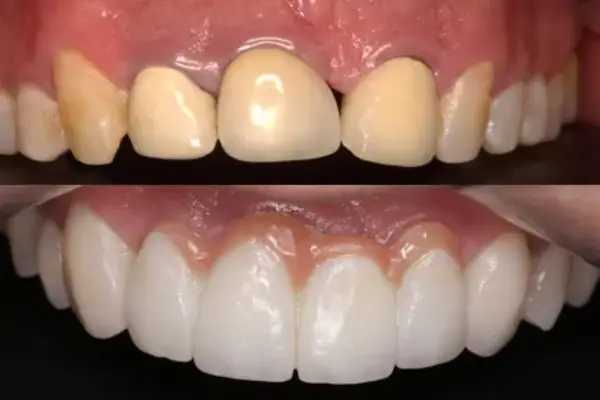
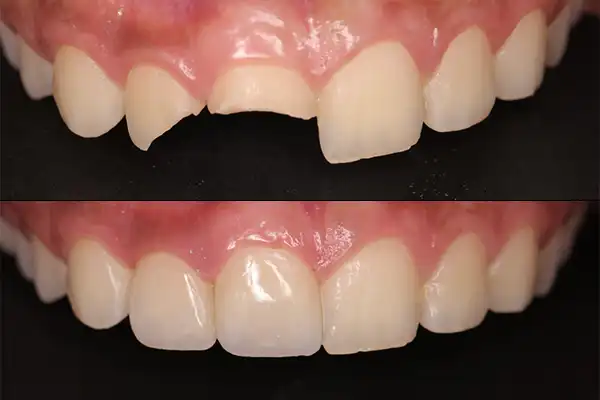
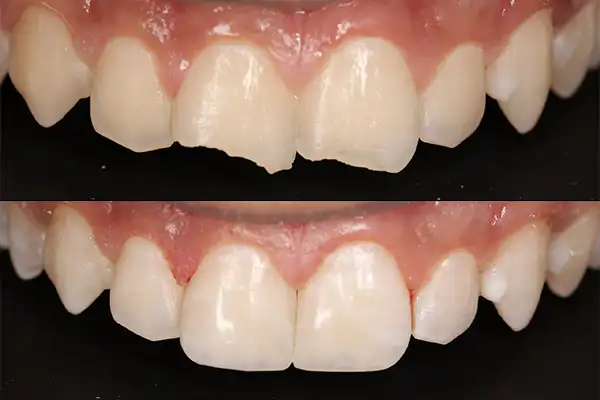
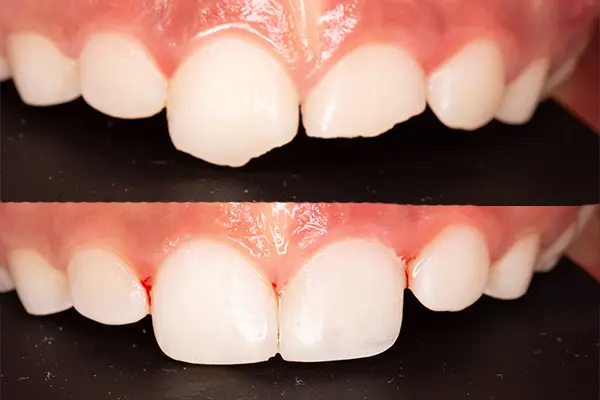

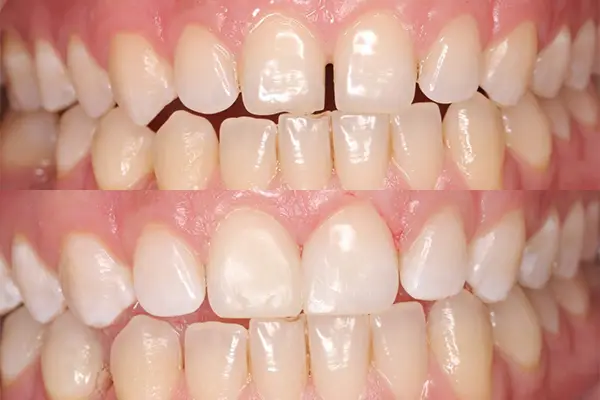
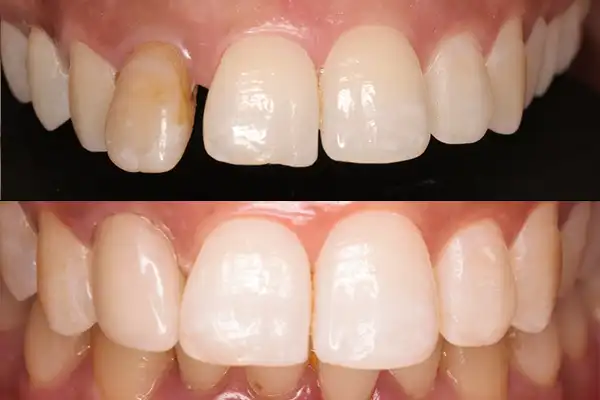
Amazing Composite Results at Sepehr Salamat; Real Transformations in Our Patients’ Smiles.
The Best and Most Experienced Dentist in Mashhad
Dr. Kazem Ehtesham-Manesh, Cosmetic Dentistry Specialist in Mashhad
Dr. Kazem Ehtesham-Manesh, one of the leading dentists in Mashhad, has more than two decades of experience in dental implants, ceramic veneers, teeth whitening, dental composites, and orthodontics, providing professional and specialized services to patients.
After graduating as a top student, he participated in various international courses and obtained globally recognized certifications in dental implants and prosthetic surgery, invisible orthodontics, digital smile design, and cosmetic dentistry.
If you are looking for dental implants in Mashhad using high-quality materials with long-lasting results, or if you are considering ceramic veneers or dental composites in Mashhad, Dr. Ehtesham-Manesh uses the latest technologies to achieve the best possible results for you.

- چرا صدها نفر به ما اعتماد کردند؟
آیا میخواهید بدانید چرا صدها نفر به ما اعتماد کردهاند و از خدمات ما راضی هستند؟ تصاویر زیر نمونه ای از قبل و بعد از انجام لمینت است که مراجعین عزیز ما انجام داده اند.
رضایتمندی مراجعه کننده عزیزمون
رضایتمندی مراجعه کننده عزیزمون
رضایتمندی مراجعه کننده عزیزمون
رضایتمندی مراجعه کننده عزیزمون
- Sepehr Salamat Professional Team

Dr. Ehtesham Manesh
Cosmetic Dentist and Implantologist

Dr. Nima Barati
Oral and Maxillofacial Surgeon

Dr. Poya Saeedi
dentist

Dr. Marzieh Esmaeilzadeh
dentist

Dr. Samaneh Nakhai
Orthodontics and maxillofacial deformity specialist

Dr. Ali Shamsuddin Ahmadi
dentist

Dr. Negin Watanparast
dentist
Dr. Zahra Zanouzi
Gum and implant surgeon
Candidates for Dental Composite
Dental composite is an excellent method for improving the appearance of your smile, but it is not suitable for everyone. Before undergoing this treatment, consider the following:
Who Should Not Get Dental Composite?
People with active teeth grinding, unless they use a night guard
Those who do not maintain proper oral hygiene
People with active tooth decay or gum disease
Individuals looking to correct severe dental misalignment, in which case orthodontic treatment is recommended
Minimum Suitable Age for Dental Composite
The legal age for dental composite treatment is usually 18 years and older, as jaw growth should be complete. However, in certain cases, it may also be possible at a younger age based on the dentist’s evaluation.
Stages of Dental Composite Treatment at Sepehr Salamat Clinic
| Brief Description | Stage Title | Stage |
|---|---|---|
| Evaluation of the teeth and determination of the required number of units | Initial Consultation and Smile Design | 1 |
| Based on facial features, personal preference, and the dentist’s recommendation | Shade and Brand Selection | 2 |
| Cleaning, polishing, or very minimal surface preparation | Tooth Surface Preparation | 3 |
| Layer-by-layer application of the material with precise shaping | Composite Placement and Shaping | 4 |
| Curing with blue light and polishing for enhanced shine and durability | Light Curing and Final Polishing | 5 |
1. Initial Consultation and Smile Design
First, the dentist evaluates the condition of the teeth and, if needed, uses digital smile design to simulate the final result.
2. Selecting the Appropriate Shade and Brand
In consultation with the dentist and based on skin tone, facial features, and personal preference, the shade and brand of the composite are selected.
3. Preparing the Tooth Surfaces
The teeth are cleaned very superficially or polished if necessary. In this method, unlike veneers, the teeth are not shaved down.
4. Composite Placement and Shaping
The composite material is applied to the teeth layer by layer, and the dentist carefully shapes it.
5. Final Light Curing and Professional Polishing
Using a blue curing light, the composite is hardened, and then its surface is polished to create a natural and translucent appearance.
The entire process is usually completed in one or two sessions.
Choosing the Composite Shade and Brand
Best Brands Available at Sepehr Salamat Clinic:
- Saremco (Switzerland): Wide range of shades and excellent polishability
- Charisma (Germany): Natural-looking shade, widely used for front teeth
- IPS (Switzerland): New-generation veneers with high stain resistance
Composite Shade Selection Guide:
| Suitable For | Appearance | Suitable For |
|---|---|---|
| Fair skin, classic smile | Bright Natural White | A1 / B1 |
| Adults, matching adjacent teeth | Natural, close to tooth enamel | A2 / A3 |
| Young individuals, models, and photogenic faces | Very White and Bright | BW / XBW |
- A1 and B1 Shades: Whiter shades, suitable for lighter complexions
- BW or XBW Shades: Very white shades, more suitable for younger individuals or modeling
- A3 and A2 Shades: More natural shades that blend well with adults’ natural teeth
Post-Composite Dental Care
To increase the longevity of your dental composite and maintain the beauty of your smile, following a few important care tips is essential:
- Brush your teeth twice a day and use dental floss.
- For up to 48 hours, avoid colored beverages such as tea, coffee, soft drinks, as well as tomato-based and saffron-containing foods.
- Avoid biting hard foods such as nuts, crispy rice, or ice.
- Do not smoke cigarettes or hookah, as these can cause discoloration of the composite.
- Visit the clinic every 6 to 12 months for composite polishing.
- Use toothpaste designed for restored teeth that does not contain abrasive ingredients.
By following these tips, the durability of dental composites can be maintained for up to 7 to 10 years.
Comparison of Dental Composite and Veneers
| Ceramic Veneer | Dental Composite | Feature |
|---|---|---|
| More Expensive | More Affordable | Price |
| Required | Not Required | Tooth Shaving |
| 10 to 15 years | 7 to 10 years | Lifespan |
| 2 to 3 sessions | 1 to 2 sessions | Number of Sessions |
| Not Repairable (Must Be Replaced) | Repairable | Repairability |
| Excellent and Radiant | Very Good | Natural Appearance |
- Get a Free Consultation and Book an Appointment
To receive a free consultation and book an appointment, enter your information so we can contact you as soon as possible.
A Simple Decision for a Lasting Smile
Dental composite is one of the fastest and most affordable methods for improving your smile. If you live in Mashhad and are looking for high quality, reasonable pricing, and installment payment options, Sepehr Salamat Clinic can be a reliable choice for you.
✅ Call 05138814151 now or send a photo of your smile via WhatsApp and receive a free consultation.
Consultation with no obligation, decision-making with complete awareness.
Dental Composite Frequently Asked Questions
The lifespan of dental composite is usually between 5 and 7 years. However, by maintaining proper oral hygiene, avoiding heavily colored foods, and visiting the dentist regularly, this period can be extended.
No. Unlike traditional crowns, dental composite does not require extensive removal of tooth enamel, so it does not damage the natural tooth structure.
Dental composite is more prone to staining than veneers. However, if high-quality materials are used and excessive consumption of tea, coffee, and cigarettes is avoided, discoloration can be minimized.
Yes. Maintaining good oral hygiene, brushing regularly, using dental floss, and avoiding hard and heavily colored foods can help preserve the durability and appearance of the composite.
Dental composite does not require tooth shaving, costs less, and can be completed more quickly. In contrast, veneers are more resistant to discoloration and provide a more natural appearance.
Yes. In cases of chipping or discoloration, the dentist can repair the damaged area. However, proper care is recommended to help prevent these issues.
Introduction to Sepehr Salamat Clinic
At Sepehr Salamat Dental Clinic, we use the latest technologies and a specialized team to provide you with high-quality dental services with precision and care. From the beauty of your smile to the health of your teeth, your well-being is our priority. Your trust is our greatest asset.

Over 25 Years of Experience

Over 60K Satisfied Patients

Over 30 Professional Staff Members
- Cost of Dental Composite in Mashhad and Factors Affecting Its Price
The cost of dental composite in Mashhad is determined by several factors. One of the most important factors is the type of dental material used for the composite. Higher-quality and more advanced composite materials usually cost more. The dentist’s experience and skill in performing the treatment can also have a significant impact on the final price. The location where the service is provided is another influential factor. In large cities such as Mashhad, dental composite treatment is generally more expensive than in smaller cities due to higher rent and other operating costs. The complexity and duration of the composite treatment also affect the overall cost. More extensive or complicated restorations naturally involve higher expenses. In addition, the patient’s dental insurance coverage may also influence the final amount they need to pay.
What Is a Dental Composite Veneer?
A dental composite veneer is a type of cosmetic covering widely used to improve the appearance of teeth. These veneers are made of composite materials that are applied directly to the teeth. Dental composite veneers are commonly used to treat issues such as uneven, damaged, discolored teeth or gaps between teeth. These veneers can give the teeth a natural and attractive appearance and help improve a person’s self-confidence. The process of applying dental composite veneers is usually carried out as follows: first, the teeth are cleaned and prepared. Then, a thin layer of composite material with a color and structure similar to the natural tooth is applied to them.
These materials are hardened using light and remain bonded to the teeth. Finally, the surfaces of the veneers are polished and made glossy to restore the natural and attractive appearance of the teeth. One of the main advantages of dental composite veneers compared with traditional coverings such as ceramic veneers is that they do not require removing large portions of the tooth enamel. The application process is also usually completed in one or two short sessions. This results in lower treatment costs and shorter treatment time. However, in some cases, dental composites may have a shorter lifespan compared with other options and may require continuous care and maintenance.
What Are the Most Important Uses of Dental Composite Veneers?
Dental composite veneers are one of the most commonly used cosmetic dental treatments and have several applications. The most important uses of this treatment include correcting the shape and appearance of teeth, covering white spots and tooth discoloration, repairing broken or chipped teeth, closing gaps between teeth, and improving the appearance of short teeth. Composite veneers can be used to correct minor irregularities, gaps, chips, and other visible imperfections in the teeth, helping create a more uniform and harmonious dental appearance.
This material can also be used to cover white spots, brown stains, or any other tooth discoloration and help improve the appearance and freshness of the teeth. In cases where teeth have been broken or chipped due to accidents, trauma, or other causes, composite veneers can be used to repair and restore their appearance. This material can also be used to fill spaces between teeth and create a more unified appearance, helping improve the beauty of the smile. In cases where teeth have become shorter due to factors such as wear, composite veneers can be used to increase their height and create a more uniform appearance.
What Are the Types of Dental Composite Based on Consistency?
There are several types of dental composite, each with its own unique features and characteristics:
Macrofill or Macroparticulate Composites
These composites contain large filler particles ranging in size from 1 to 100 micrometers. Their filler particles usually include quartz, borosilicate, lithium aluminum silicate, or a combination of these materials. Macrofill composites have a rougher and coarser appearance and are more suitable for filling large cavities and use in areas with greater occlusal contact. These materials are less expensive and have greater resistance to wear, but they are less desirable in terms of aesthetics.
Microfill Composites
These composites contain fine filler particles smaller than 1 micrometer. The filler particles are usually fumed silica or polymer-based. Microfill composites have a smooth and soft surface and are more suitable for cosmetic applications in anterior areas. These materials have lower resistance to wear but offer better aesthetic results.
Nanofill Composites
These composites contain nanoscale filler particles smaller than 100 nanometers. These particles are usually made of silica or other nanoscale materials. Nanofill composites have a very smooth and soft surface and are suitable for cosmetic applications in anterior areas. These materials have greater resistance to wear and scratching, and their particles are also distributed evenly throughout the resin matrix.
Hybrid Composites
These composites are a combination of large and fine filler particles. The larger particles are usually made of quartz, borosilicate, or lithium aluminum silicate, while the finer particles are made of fumed silica or polymer-based materials. Hybrid composites have better mechanical properties and a more attractive appearance than macrofill composites. These materials are ideal for filling moderate-depth and moderate-severity cavities and for use in areas with dental contact.
How to Extend the Lifespan of Dental Composite in Mashhad with a Few Simple Tips
Dental composite is one of the most popular and widely used methods for restoring and reconstructing teeth. These dental filling materials not only provide a natural and attractive appearance, but also perform well under the pressure placed on the teeth. However, following a few simple guidelines is essential to maintain and extend the lifespan of dental composites. By using a few simple methods, you can increase the longevity of your dental composite and enjoy a beautiful and pleasant smile for many years. Some simple ways to extend the lifespan of dental composite include:
Regular Flossing and Brushing
One of the most important factors in extending the lifespan of dental composites is maintaining proper oral hygiene. Daily flossing to clean the spaces between the teeth and brushing twice a day can help maintain healthy gums and prevent the formation of plaque and dental deposits. This not only increases the lifespan of dental composites, but is also highly effective in preventing tooth decay.
Dental Composite Polishing
After some time has passed since a tooth was restored with composite, its surface may gradually become rough and uneven. This can cause greater absorption of pigments and the formation of surface stains. Therefore, it is recommended to visit your dentist regularly and have your dental composites polished. This helps extend their lifespan and maintain their appearance.
Important Dietary Tips After Dental Composite Veneers
After restoring teeth with composite, it is better to limit certain foods for a period of time. Hard, sticky, and highly colored foods can damage the composite surface and reduce its lifespan. Colored beverages such as tea, coffee, and fruit juices should also be consumed with caution. In general, following a suitable diet and avoiding foods that may damage dental composites can help extend their lifespan.
Avoiding Harmful Habits to Protect Dental Composite Veneers
Certain habits, such as nail biting, chewing gum, and biting hard seeds, can damage the surface of dental composites. Excessive pressure on the teeth when eating hard foods or clenching and grinding the teeth during sleep (bruxism) can also lead to fracture or detachment of the composite. Therefore, avoiding these harmful habits is very important for maintaining and extending the lifespan of dental composites.
Using Toothpaste Suitable for Composite-Restored Teeth
Some toothpastes contain abrasive ingredients that can damage the surface of dental composites. Therefore, it is recommended to use toothpaste specifically designed for teeth restored with composite. These toothpastes are usually free from abrasive ingredients and can help preserve the appearance and longevity of dental composites.
What Should We Do If Dental Composite Breaks?
After a dental composite breaks, several important points should be considered. First of all, you should visit a dentist. By examining the tooth, the dentist can assess its condition and determine the best treatment option. Sometimes, the composite fracture may be minor and only require repair. In this case, the dentist can restore the tooth using composite materials. In some cases, the fracture may be more serious and require extensive repair or even complete replacement of the restoration.
In such situations, the dentist may reconstruct the tooth using dental materials such as composite, ceramic, or amalgam. If necessary, a dental crown may also be used to fully cover the broken tooth. Until you can visit the dentist and have the tooth repaired, it is very important to protect the damaged area. A temporary covering or dental wax may be used to protect the tooth and prevent further damage. It is also recommended to minimize the use of the broken tooth during this period and avoid hard and sticky foods.
Finally, after the dentist repairs the tooth, their recommendations should be followed carefully. These include maintaining proper oral hygiene, brushing and flossing regularly, and attending routine dental checkups. By following these recommendations, the risk of repeated fracture can be reduced.
Stages of Dental Composite Treatment
Dental composite is one of the most common and popular methods for restoring and reconstructing teeth. By using durable composite dental materials, this treatment can effectively restore damaged teeth and improve the appearance of the smile. The dental composite procedure is carried out in several stages, as described below:
Stage One: Scaling and Gum Lift
Before starting the dental composite procedure, the teeth and gums must first be prepared. At this stage, the dentist uses specialized instruments to remove accumulated plaque and tartar from the teeth and thoroughly clean the tooth surfaces. If necessary, a gum lift may also be performed to provide full access to the tooth surface.
Stage Two: Choosing the Composite Shade and Brand
After preparing the tooth surface, the dentist selects the appropriate composite material based on the natural color of the patient’s teeth. Today, various types of composites are available in a wide range of shades, and the dentist must carefully determine the most suitable color. Factors such as quality, durability, and final appearance are also considered when choosing the composite brand.
Stage Three: Applying the Composite to the Tooth
At this stage, the dentist first dries and slightly roughens the tooth surface using special materials to create the necessary bond between the tooth and the composite. The composite is then carefully applied to the tooth surface in thin layers. For each layer, the dentist uses a special curing light to harden the composite so that it bonds together as an integrated restoration.
Stage Four: Light Curing and Composite Polishing
After the composite has been applied to the tooth, the final finishing and polishing process begins. At this stage, the dentist uses a special light to harden the composite so that it adheres securely to the tooth and achieves sufficient stability. Finishing and polishing instruments are then used to smooth and polish the composite surface and restore a natural appearance to the tooth. In general, dental composite treatment is carried out through these four main stages. However, additional steps may sometimes be required. For example, if there is tooth decay or severe dental damage, these issues must first be treated before applying the composite. In some cases, the tooth may also need to be prepared or slightly reshaped before the composite is applied.
The lifespan of dental composite varies depending on several factors, including oral health, proper care, the type of materials used, and other individual conditions. In general, modern composites are highly durable and strong and may last up to 10 years or longer. However, each patient’s condition is different, and the dentist can provide a more accurate estimate of the expected lifespan of the restoration. Finally, it should be noted that dental composite treatment requires a high level of precision and skill from the dentist. Proper selection of the composite type and shade, preparing the tooth surface for bonding, applying the composite evenly, and performing the final finishing and polishing are all specialized dental skills. Therefore, choosing an experienced and skilled dentist for this procedure is very important.
Who Is Dental Composite Not Suitable For?
Dental composite, which is also used to restore damaged teeth, is a very popular and common treatment option in dentistry. However, this type of dental restoration may not be suitable for some individuals. Below, we explain who dental composite may not be suitable for:
Teeth Grinding
People who suffer from teeth grinding are generally not suitable candidates for dental composite. Teeth grinding creates significant pressure on the teeth and may cause the composite to fracture or wear down. In such cases, dentists usually use metal or ceramic crowns, which are more resistant to pressure and wear.
Severe Tooth Wear
Some individuals experience severe tooth wear due to various factors such as tooth structure, dietary habits, or conditions associated with dental erosion. Dental composite may not be suitable in these situations because it can wear down quickly. More durable options, such as ceramic or metal crowns, may be more appropriate.
Severe Tooth Damage
In cases where teeth are severely damaged, such as extensive cracks or fractures, dental composite may not be a suitable option. In these situations, full crowns or dental prostheses may be used to restore the damaged tooth more completely.
Poor Oral Hygiene
People who do not regularly maintain proper oral hygiene may not be suitable candidates for dental composite. Due to plaque buildup and oral infections, these individuals may experience premature fracture or wear of the composite. In such cases, oral hygiene should first be improved before considering appropriate treatment options.
Poor Oral Health
When the teeth and gums are affected by serious problems such as extensive tooth decay, gum disease, or other oral infections, dental composite may not be suitable. In these situations, the underlying oral and dental problems should first be treated, after which appropriate treatment options such as crowns, dental prostheses, or implants can be considered.
Is Composite or Veneer Better for Smile Design?
For smile design, choosing between composite and veneer depends on each individual’s specific needs. Each method has advantages and disadvantages that affect the choice of the best option. Veneers are a better choice for people who want to change the shape, size, and color of their teeth. Veneers are very thin and aesthetic layers that completely cover the surface of the teeth. They make it possible to fully change the shape, size, and color of the teeth. Veneers are usually made of ceramic or composite and have high durability, but part of the tooth surface must be removed for their placement. On the other hand, composite is a suitable option for people who only want to repair and cover some of their teeth. These materials are applied directly to the teeth and are used to fill cavities, repair fractures, and improve the appearance of the teeth. Composite placement is simpler than veneer placement and does not require extensive preparation of the tooth surface. However, its durability is lower than that of veneers. Ultimately, to choose the best method for smile design, you should consult a dentist. The dentist will recommend the best option based on the condition of the teeth, treatment goals, and budget requirements. In some cases, a combination of veneers and composite may also be the best solution. In any case, smile design should be carried out in consultation and coordination with a specialist dentist.
Suitable Age for Dental Composite
Composite veneer is a treatment method that can be used at different ages. However, choosing the appropriate age for this treatment can have an important effect on the final result and its longevity. For children and adolescents, the use of composite veneers is generally not recommended because tooth growth and development are not yet complete at these ages, and changes in the size and position of the teeth may occur over time. These changes can damage the composite and lead to fracture, detachment, or discoloration. There are also concerns about the lifespan and durability of composite veneers at these ages.
The best age for composite veneers is usually adulthood, when tooth growth and development have been completed. Most dentists recommend that this treatment be performed from the age of 18 onward. At this age, the teeth have largely completed their growth and development, making composite veneer treatment more stable. However, in some exceptional cases, composite veneers may also be used at younger ages, for example, when there are serious cosmetic or structural dental problems that require rapid correction. These cases usually require the recommendation and approval of a specialist dentist.
Dental Composite Using the Layering Technique
Dental composite using the layering technique is one of the common and successful methods in cosmetic dental restoration and reconstruction. This technique uses composite resin materials applied in different layers to create a beautiful and natural appearance for the teeth. In the dental composite layering technique, the tooth is first prepared. Then, a layer of composite matching the color of the natural tooth enamel is applied as the first layer. This first layer is responsible for creating the tooth’s natural and aesthetic appearance. After that, additional layers with different shades and textures are applied. Each layer carefully reconstructs the natural shape and structure of the tooth so that the final restored tooth has a natural and attractive appearance.
This is a highly delicate and precise technique that requires a high level of skill and expertise from the dentist. The dentist must have complete knowledge of the internal structure of the tooth and its natural shades and carefully apply the different composite layers in the correct order. This results in a very natural and attractive appearance. The main advantage of the dental composite layering technique is achieving a highly aesthetic and natural result. Since it does not require significant removal of the tooth surface, it is also considered a conservative and minimally invasive method. It also makes it possible to reconstruct the shape and form of the tooth. However, it should be noted that this technique can be more costly than other dental restoration methods such as crowns and requires a highly skilled dentist.
Main Reasons for Replacing Amalgam with Dental Composite
In recent years, many people have preferred to replace their dental amalgam restorations with composite. One of the main reasons for replacing amalgam with composite is aesthetics. Dental amalgam, which is made from various metals, usually has a noticeable metallic appearance and can affect the natural beauty of the teeth. In contrast, composites are resin-based materials that can be precisely shade-matched to create a very natural and attractive appearance with little difference from natural tooth enamel. Another reason for replacing amalgam with composite is environmental and health concerns. Because amalgam contains mercury, it may raise concerns regarding the environment and personal health. Composite materials, on the other hand, are considered safer and more environmentally compatible.
In addition, composites have other advantages that make them preferable to amalgam. For example, because composites bond more strongly to the tooth structure, they can be more effective in preserving and maintaining the health of the tooth. The treatment process with composite is also generally less invasive and more comfortable for the patient. However, it should be noted that composites, like any other restorative material, also have limitations and disadvantages. For example, their useful lifespan may be shorter than amalgam, and they require special care. Treatment with composite is also generally more expensive than treatment with amalgam.
Comparison of Dental Composite and Crowns
Dental composite in Mashhad and dental crowns are both common restorative methods used to restore the appearance and function of teeth. However, there are differences between these two methods that should be considered when choosing the most suitable option for each patient. The first important difference between composite and crowns is the type of material and the thickness of the restorative layer. Composite is a resin-based and relatively thin material that is usually applied directly to the natural tooth. In contrast, a crown is a completely artificial and relatively thick covering that fully covers the natural tooth. This difference in material type and restorative thickness also means that composite and crowns differ in terms of how invasive the treatment is. Composite treatment in Mashhad is generally less invasive and does not require extensive removal of natural tooth enamel. Crowns, however, require some enamel reduction to fit properly over the tooth, making the procedure more invasive.
These two methods also differ in terms of aesthetics and natural appearance. With modern restorative techniques, composites can provide a very natural and attractive appearance and may look almost identical to natural tooth enamel. Crowns, however, completely cover the tooth and may therefore appear slightly less natural. The two treatments also differ in terms of durability and lifespan. In general, crowns tend to have a longer lifespan than composites. However, special care such as regular scaling and polishing is necessary. Composites, on the other hand, can usually be maintained with routine dental care.
How Long Does Dental Composite Last?
The lifespan of dental composite depends on several factors, and different studies have reported varying results. In general, the lifespan of a composite restoration can range from 5 to 15 years. One of the most important factors affecting the longevity of composite is its location in the mouth. Composite restorations placed on anterior teeth and smooth tooth surfaces usually last longer, with a lifespan of approximately 10 to 15 years. However, in areas such as molars, which are exposed to greater chewing forces, the lifespan of composites is generally reported to be between 5 and 10 years.
In addition to the location of the restoration, other factors such as the quality of the dental materials, the technique used to perform the restoration, the patient’s oral hygiene habits, and harmful oral habits such as nail biting and regurgitation can also affect the lifespan of composite restorations. It should be noted that even when these recommendations are followed, composites naturally undergo wear, discoloration, and cracking over time. Therefore, regular evaluation and timely replacement of these dental restorations by a dentist are very important.
Removal of Improper Dental Composite at Sepehr Salamat Dental Clinic in Mashhad
The removal of improperly applied dental composite in Mashhad is a very important and necessary procedure that must be performed carefully and according to proper technical principles. Composite is a restorative dental material used to fill cavities in teeth. However, if the restoration is not performed correctly and according to proper technical standards, it can lead to serious and sometimes irreversible dental health problems. Removing improperly applied composite is highly important because unsuitable composite restorations can not only negatively affect the appearance of the teeth but may also lead to problems such as tooth decay, gum recession, tooth sensitivity, and even tooth wear and fracture. In the long term, these restorations can also cause serious oral and dental health problems and may even create the need for more specialized and complex treatments.
At Sepehr Salamat Dental Clinic in Mashhad, experienced specialists use advanced equipment and standard techniques to remove unsuitable composite restorations. The dental composite clinic in Mashhad first performs a thorough examination and identifies the causes of the improper composite restorations, then removes them while preserving the health of the teeth. The teeth are then restored again using materials manufactured according to high standards, helping restore both the health and appearance of the patient’s teeth. These measures, together with providing the patient with the necessary instructions to prevent the recurrence of such problems in the future, can greatly contribute to maintaining long-term oral and dental health.
Side Effects of Dental Composite
Dental composites, as one of the commonly used filling materials in dentistry, offer several advantages. However, like other dental materials, they may also cause certain side effects. One of the most important side effects of dental composite is post-treatment sensitivity. This sensitivity is especially common when composite has been used to fill deep cavities. In such cases, sensitivity to cold, heat, or pressure may occur and usually resolves naturally after some time. In addition to post-treatment sensitivity, some patients may report discoloration at the composite site after a period of time. This may be caused by gradual deterioration of the material or the formation of stains on its surface. In such cases, replacement of the composite may be required.
Some individuals may experience an allergic reaction to the chemical materials used in composite. These materials may include methacrylate monomers. Such allergies may appear as redness, swelling, and itching at the site where the composite has been placed. In these cases, using more suitable materials such as ceramic may be an appropriate solution. In some cases, gradual wear and deterioration of the composite may also lead to the formation of new cavities in the tooth. Over time, these cavities may allow bacteria to enter and cause secondary infections. Therefore, patients should maintain proper oral hygiene and visit their dentist regularly for examination, repair, or replacement of the composite.
Best Dental Composite Dentist in Mashhad
When choosing the best dental composite dentist in Mashhad, it is important to consider certain characteristics. An experienced and skilled dentist in this field should have specific qualifications in order to provide the best possible services to patients. The first important characteristic is having a high level of expertise and skill in performing dental composite treatments. A skilled dentist should be able to accurately and professionally analyze the condition of the patient’s teeth, make an appropriate diagnosis, and select an effective treatment. The dentist should also have complete knowledge of advanced techniques and up-to-date methods in this field in order to achieve desirable treatment results.
Another important characteristic of a dental composite dentist is extensive experience and a long professional background in this field. An experienced dentist can rely on their knowledge and skills to respond to patients’ needs in the best possible way. In addition, valuable experience enables the dentist to make appropriate decisions and take suitable measures when dealing with complex and special cases. In addition, a qualified dental composite dentist should have strong communication skills. The dentist should listen to patients patiently and make an effort to understand and address their concerns. The dentist should also provide comprehensive and clear explanations about the treatment process so that patients are fully informed about each stage of the procedure.
Finally, the use of modern and advanced equipment and tools is another characteristic of a qualified dental composite dentist in Mashhad. The use of these facilities, together with scientific knowledge and experience, helps provide high-quality treatment services and greater comfort for patients.
Introduction to Sepehr Salamat Clinic; The Best Dental Composite Center in Mashhad
Sepehr Salamat Clinic is one of the reputable and well-equipped dental care centers in Mashhad. By using advanced equipment and a specialized team, this clinic provides high-quality and up-to-date services in complex and specialized dental treatments, including dental composite. Dental composite is one of the most popular and widely used methods for improving the appearance and restoring teeth. In this method, aesthetic, tooth-colored composite materials are used for filling, restoring, and enhancing the appearance of teeth. Sepehr Salamat Clinic is capable of providing dental composite services at the highest level of quality.
The clinic’s specialized and experienced staff perform these services with great precision and skill. In addition to following hygiene standards, they carefully consider the needs and expectations of each patient and make every effort to meet them. They also use up-to-date scientific methods and advanced techniques to achieve the best possible results in the shortest possible time. One of the features of Sepehr Salamat Clinic is providing dental composite services at the highest level of quality. By using high-quality materials and the latest techniques, the clinic is able to provide patients with attractive and durable dental composite restorations. Patients’ trust in this dental center and their satisfaction with the services provided are evidence of its excellence in the field of dental composite.
You can also visit us at: North Kowsar, between 2 and 4, Farabi Medical Building, third floor, or call 051-38814151 to book your appointment for dental composite treatment.